
Change one route
Take a different street, sit somewhere new, or enter a place you usually pass.
A two-minute weekly check-in
When days look alike, a whole week can disappear into one memory. This gentle check-in helps you notice whether your week had enough small moments to stand apart.
“We laughed about the rain and missed our stop.”
One small marker can give a week its shape.
Why weeks can feel so fast
When several days contain the same rooms, tasks, and routes, they leave fewer distinct cues to retrieve later. Looking back, the week can feel shorter than it was.
That does not mean nothing happened. It means the week may need one visible marker: a place, a conversation, a physical trace, a photo, or a sentence.
Repetition is not failure. It simply gives memory fewer edges to hold.
Make one edge visible
You do not need a remarkable week. One specific, retrievable moment is enough to give ordinary time a shape.
Take a different street, sit somewhere new, or enter a place you usually pass.
A memorable conversation can begin with ten attentive minutes.
Cook, draw, mend, plant, arrange, or make one small thing with your hands.
Write what you would tell a friend. Interesting does not need to mean impressive.
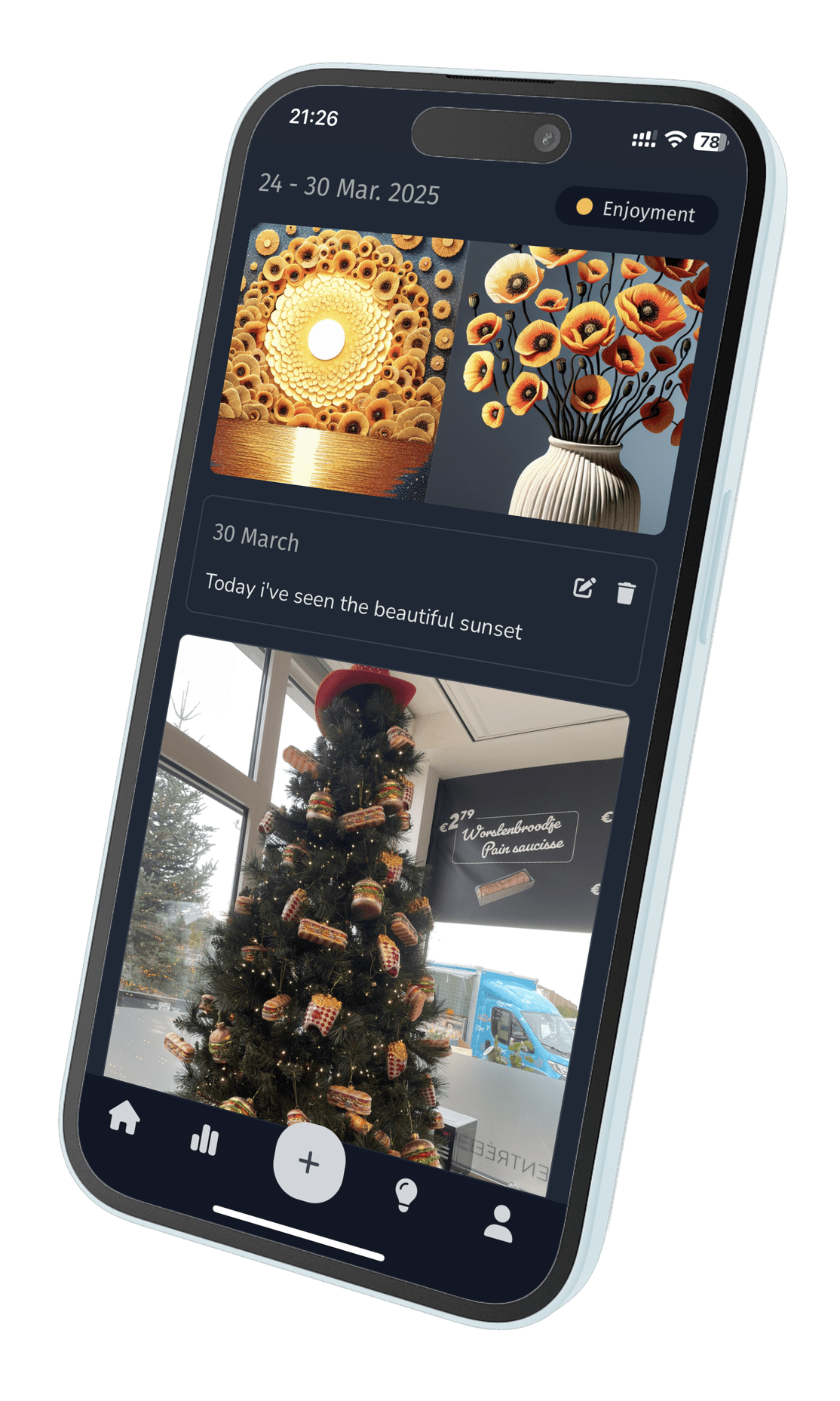
A place for the marker
Elutee is organized around weeks, not daily streaks. Add a photo, note, or voice moment when something feels worth keeping. Even one entry can help a week remain findable.
Questions, answered
The score is a prompt for reflection, not a clinical or scientific assessment.
A week can feel compressed when many days share the same pattern and few moments stand out when you look back. The time was still fully lived; memory simply has fewer distinct cues with which to reconstruct it.
Routine is useful and often necessary, but similar environments and actions can make days harder to distinguish in memory. That feeling does not prove your life is empty or wrong. It may mean you need a small change of context or one moment you deliberately notice.
Start smaller than a life overhaul. Change one route, arrange one plan, make something with your hands, ask a better question, or record one sentence from the day. A small marker can interrupt repetition without adding pressure.
Similar-feeling days contribute up to 36 points; no new place contributes 14; no memorable conversation, 16; no physical or visual marker across making, going out, and photography, 22; and no story to tell, 12. It is intentionally simple and is not a diagnostic test.
Specific details are more useful than complete records. Save one photo with a sentence, name the best conversation of the week, or record one ordinary thing that changed. A small collection of clear markers can make a period easier to revisit.
No. The detector runs locally in your browser. This page does not send your answers to a server, attach them to an account, or retain a history of your scores.
One marker is enough
Keep one ordinary moment before the next week begins.